
BKFC’s Bruise Cruise Isn’t as Crazy as It Sounds… It’s Actually Smart Business
A three-day fight event on a cruise ship sounds like a gimmick at first, but BKFC’s Bruise Cruise is actually a calculated bet on where the fight business is heading. By turning a traditional fight card into a fully immersive, high-value fan experience, BKFC may be positioning itself ahead of a shift from watching fights to living inside them.
LANDING PAGE
Tony Caramello
2/9/20264 min read
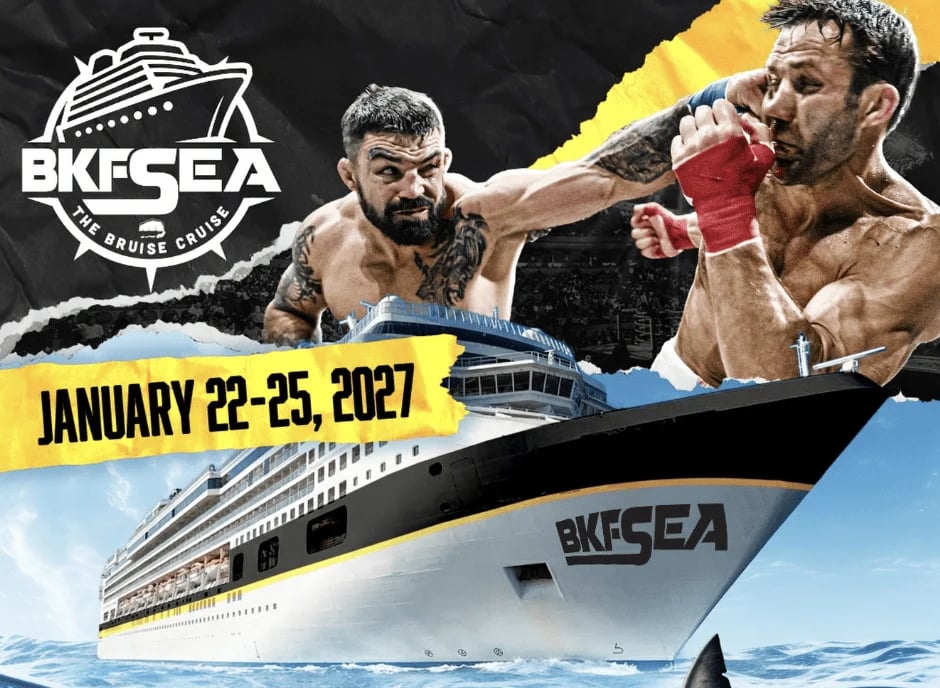
BKFSea Presents the Bruise Cruise
At first glance, the idea feels like something out of a late-night pitch session that somehow got approved. Bare Knuckle Fighting Championship putting fighters and fans on a three-day cruise from Miami to the Bahamas, mixing fights with parties, meet-and-greets, and nightlife sounds like controlled chaos. Or maybe not even controlled. They’re calling it BKFSea, or the “Bruise Cruise,” and the name alone tells you exactly what kind of energy they’re going for.
But once you step back and actually look at BKFC’s business model, this stops looking like a gimmick and starts looking like a calculated move.
This Isn’t Just a Fight Card, It’s a Full Experience
To understand the play here, you have to look at what fans are actually buying. This isn’t a traditional event where you show up, watch a fight card, and go home. BKFC is selling immersion. You’ve got fights, likely a mix of legitimate bouts, exhibitions, and entertainment-driven matchups, but that’s just one layer.
The real value is everything around it. Fans get direct access to fighters through meet-and-greets, Q&As, and just being in the same space for multiple days. There’s no backstage barrier when everyone is on the same ship, which changes the dynamic completely. Layer in the cruise environment itself with parties, music, alcohol, and built-in nightlife, and suddenly you’re not attending an event, you’re living inside it. That’s the shift. This isn’t a fight night, it’s a three-day ecosystem.
The Business Case Is Stronger Than People Think
Once you strip away the novelty, the business logic holds up. In a traditional model, a fan buys a ticket, maybe some merch, and that’s the ceiling. With a cruise package, you’re immediately operating at a higher price point with travel, lodging, entertainment, and access bundled together. BKFC doesn’t need massive scale here. A couple thousand high-value fans can make this work financially.
It also aligns with where the market is already heading. Fans don’t just want to watch anymore, they want to be part of something. You see it across sports, music festivals, and the creator economy. The money is moving from passive consumption to participation, and BKFC is leaning directly into that shift by selling proximity, access, and moments instead of just fights.
From a media standpoint, it’s also built for modern attention. You’ve got fighters and fans interacting in an unfiltered environment for three straight days, which means constant content. Viral clips, behind-the-scenes moments, unexpected interactions. The event doesn’t start and stop with a main card, it’s continuous.
A More Extreme Version of a Proven Model
This concept isn’t completely new, it’s just pushed further. Look at Ultimate Fighting Championship and International Fight Week. You’ve got fan expos, meet-and-greets, and multiple events built around one fight card, but it’s still centralized in a city and structured. Fans can come and go.
What BKFC is doing is turning that into a contained environment. You’re not attending fight week, you’re living inside it. That’s a significant difference, and if it works, there’s a clear path to making this their own annual flagship event. A version of International Fight Week that’s more immersive and more aligned with their identity.
This Fits BKFC’s Brand Perfectly
The biggest reason this idea has a real shot is because it actually fits the brand. BKFC isn’t trying to be polished or corporate. It’s raw, aggressive, and unpredictable, and that’s exactly what this kind of environment creates. Not necessarily chaos in a negative sense, but the kind of energy that produces stories and moments you can’t script.
From a fan perspective, it delivers what people want at a high level. Access, proximity, and experiences that go beyond just watching fights. There aren’t many promotions where this concept would feel natural, but for BKFC it reinforces everything they already are instead of conflicting with it.
The Risks Are Real… But Manageable
There are obvious concerns, and ignoring them would be naive. Safety is the first one people point to. Fighters, alcohol, and a confined environment isn’t a low-risk combination, and the same goes for fan behavior in a party-heavy setting. But with proper security and risk management protocols in place, most of these issues can be anticipated and controlled.
There’s also the brand perception angle. Some will say this leans too far into spectacle, but I think it can actually help if it’s executed correctly. By building the spectacle around the event rather than inside the fights, BKFC can separate the entertainment side from the competitive product. The fights stay legitimate while the environment delivers the chaos and energy people are looking for.
Execution is another variable, especially with the logistics of running fights on a cruise ship. But this is where the partnership matters. Norwegian Cruise Line knows how to manage large-scale, high-energy environments, and BKFC knows how to produce live events. That combination should minimize a lot of the operational risk.
The Biggest Question: Who’s Actually On the Ship?
This might be the most important variable. The Norwegian Jewel holds around 2,300 guests, and the question is whether BKFC can fill that entirely with their own audience. If they can, the experience becomes much more cohesive, with like-minded fans all there for the same reason, which elevates the entire event.
If they can’t and the cruise opens to general passengers, you introduce a potential disconnect between fans looking for a high-energy combat sports experience and others expecting a more traditional cruise. That becomes more of a cruise line issue than a BKFC issue, but it still impacts the environment. At the same time, it could be a worthwhile trade-off for the cruise line if it brings in a new audience that wouldn’t typically book a trip like this.
What Success Actually Looks Like
If this works, it opens the door to a completely different event model. More destination-based shows, more festival-style fight weekends, and more premium experiences that increase revenue per fan without relying on massive attendance. It also builds stronger brand loyalty, because fans who attend something like this aren’t casual anymore, they’re invested.
The bigger shift is how BKFC positions itself going forward. This is how you move from being just a fight promotion to building an entertainment ecosystem around your product. Right now, it might look like a gimmick, but if they execute it properly, this could end up being one of the smarter moves they’ve made. Not just for attention, but for creating a repeatable, high-value event that pushes the business forward while strengthening the brand.